Sorted by
Newest posts Popular Latest activity
Image from A Rood Awakening!'s post

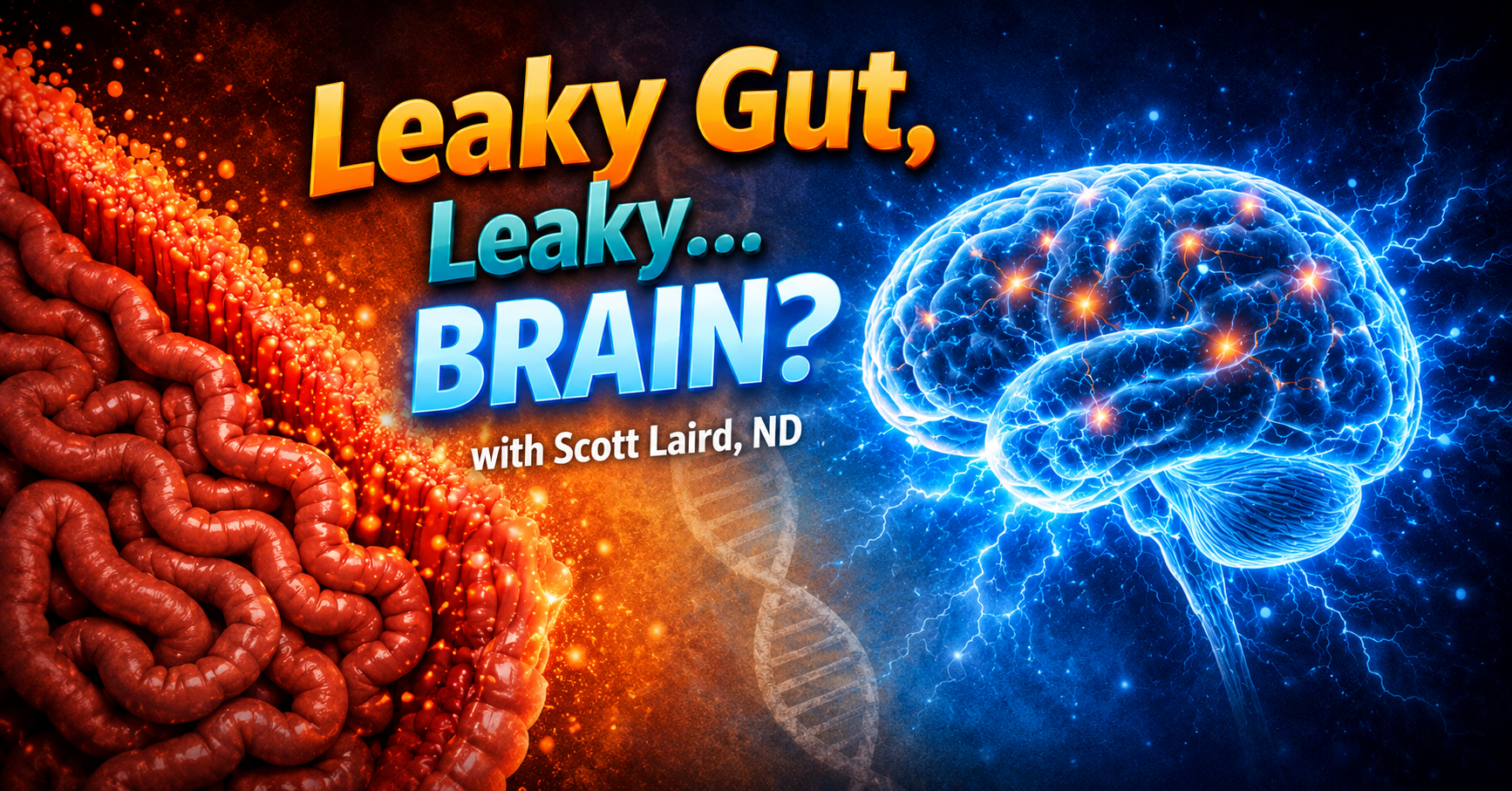
Leaky Gut, Leaky... Brain?

Your body is protected by a series of incredible barriers designed to keep the right things in and the wrong things out. One of the most important is the intestinal barrier, often referred to as the gut lining. When this barrier becomes damaged, the result is commonly called “leaky gut.”

A healthy gut lining contains tightly connected cells that act like a security system. However, inflammation and other stressors can cause these connections, known as tight junctions, to loosen. When this happens, particles that should remain inside the digestive tract can enter the bloodstream. The immune system may recognize these substances as threats and respond with inflammation, contributing to food sensitivities, immune reactions, and other health concerns.

But the concept of “leaky” barriers extends far beyond the gut. Researchers have explored how similar problems can affect the blood vessels, lungs, kidneys, liver, skin, and even the blood-brain barrier. This broader pattern has been described as a loss of barrier integrity throughout the body.

The brain is especially sensitive to inflammation. When the blood-brain barrier becomes compromised, inflammatory signals may contribute to problems such as brain fog, headaches, and cognitive challenges. Likewise, weakened vascular barriers can affect circulation, while damaged kidney filtration barriers may contribute to declining kidney function.

One of the major themes behind these issues is that the body is interconnected. Nutrient deficiencies, oxidative stress, mitochondrial dysfunction, and chronic inflammation can all influence the body’s ability to repair and maintain healthy barriers.

Supporting these protective systems starts with reducing unnecessary stress on the body. This includes minimizing processed foods, refined sugars, and unhealthy oils while focusing on nutrient-dense foods. Antioxidants, adequate vitamin D, vitamin C, and other nutrients play important roles in maintaining cellular health and repair mechanisms.

The wisdom found in caring for the body is timeless. Our health is not determined by one isolated system, but by the balance and communication between all parts of us — sounds oddly biblical, doesn't it?

Strengthening the body’s natural defenses begins with addressing the foundations: nutrition, lifestyle, and reducing the sources of chronic stress that weaken our internal barriers.

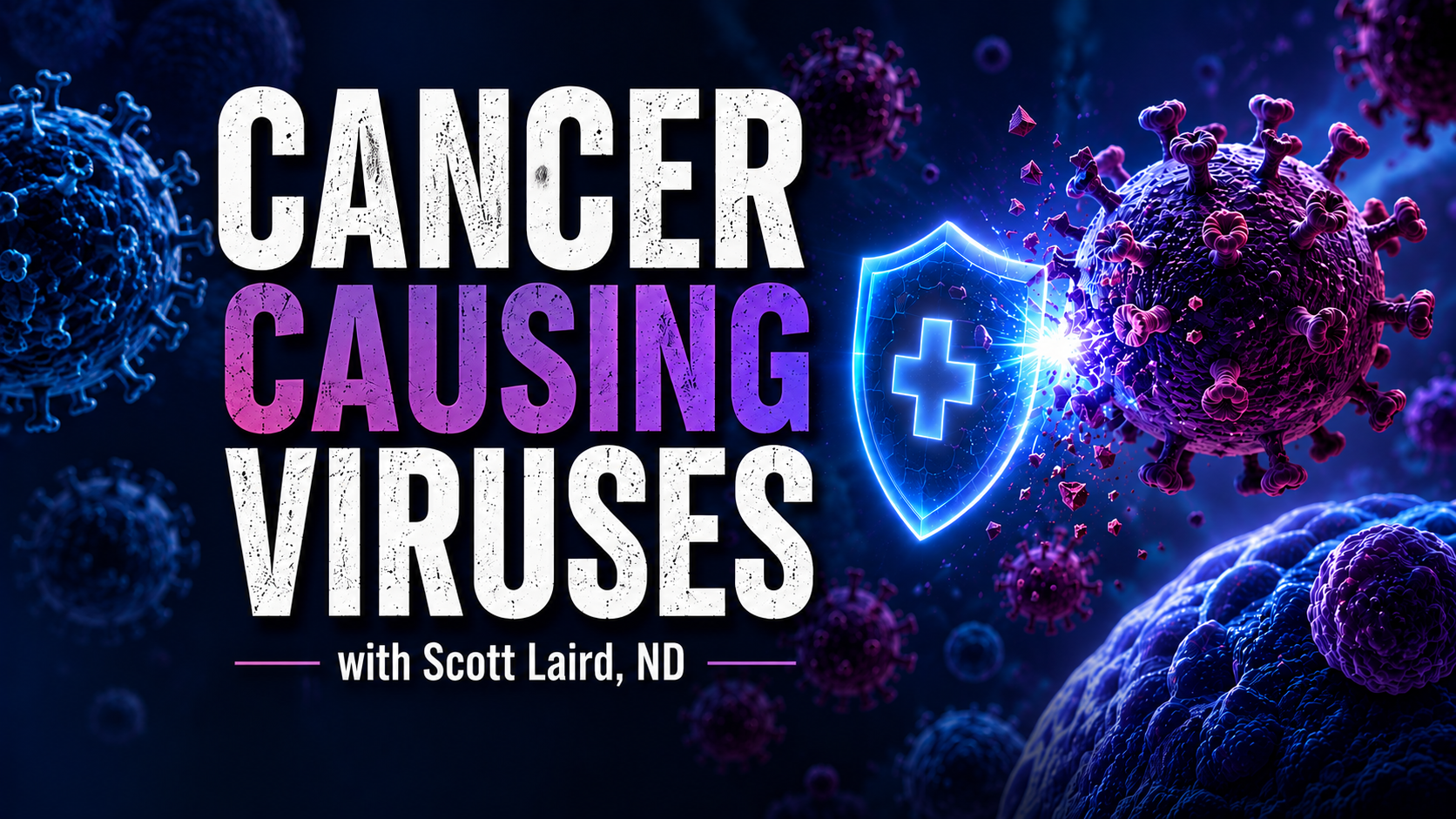
Image from A Rood Awakening!'s post

The Hidden Battle Inside Your Body: Viruses, Immunity, and Your Health

For years, scientists have studied the connection between viruses, the immune system, and chronic disease. While not every virus causes serious illness, research has shown that certain viruses can contribute to the development of cancer when they persist in the body and the immune system is unable to keep them under control.

Some of these viruses are known as oncogenic viruses because they have been associated with changes in cells that may contribute to cancer development. Examples include human papillomavirus (HPV), which has been linked to cervical cancer and other cancers; Epstein-Barr virus (EBV), which has been associated with certain lymphomas and other cancers; hepatitis B and hepatitis C viruses, which can contribute to liver cancer; and human herpesvirus infections that have been studied in connection with specific cancers.

Many viruses can remain in the body for years in a dormant state. These latent infections may never create noticeable problems, especially when the immune system is functioning well. But when the body’s defenses become weakened by poor nutrition, chronic stress, toxins, lack of sleep, or other factors, these hidden infections may become more active and create inflammation or cellular stress.

This is why supporting the immune system is such an important part of maintaining health. The body has incredible built-in defenses designed to identify and manage threats. A strong immune response helps keep many challenges under control before they become larger problems.

Researchers have also explored natural compounds that may support immune function and help regulate viral activity. Nutrients and plant compounds such as curcumin, quercetin, and lysine have been studied for their potential roles in supporting the body’s defenses and maintaining healthy inflammatory responses.

Diet also plays a significant role. Choosing fresh, whole foods while reducing excessive refined sugars and highly processed foods can help create a healthier internal environment. Some researchers have explored how compounds found in processed foods may influence inflammation and cellular behavior.

YeHoVaH created your body with remarkable protective systems. By nourishing it properly, reducing harmful influences, and strengthening immune function, we can support the natural defenses that help protect our health every day.

The goal is not fear — it is awareness. Understanding how the body works empowers us to make better choices and support the health we were designed to have.

Image from A Rood Awakening!'s post

Could Vitamin D3 Transform Your Health?

For years, vitamin D has often been treated as a simple “bone health” nutrient. But emerging research and clinical observations suggest vitamin D3 plays a much broader role in the body — influencing immunity, inflammation, metabolism, and overall wellness.

One of the biggest misconceptions surrounding vitamin D is that the standard recommendations are always enough. Many guidelines suggest relatively small daily amounts (800 IU), but those levels were originally designed around preventing severe deficiency conditions like rickets, not necessarily optimizing health. Realistic daily amounts for optimal health are typically 5,000 IU to 10,000 IU every day!

Vitamin D3 functions differently than many other vitamins. It acts more like a hormone, helping regulate important systems throughout the body. Higher vitamin D levels (70-100 is ideal, instead of mainstream "normals" as low as 30) have been associated with reduced risks related to several major health concerns, including respiratory illness, cardiovascular events, certain cancers, cognitive decline, and metabolic issues such as type 2 diabetes.

A major challenge today is that modern lifestyles have changed dramatically. Many people spend less time outdoors, work indoors, avoid sun exposure, and live in environments filled with factors that can place additional stress on the body. While sunlight remains an important natural source of vitamin D, geography, seasons, and lifestyle can significantly affect how much the body produces.

Vitamin D levels also vary based on individual needs. Factors such as body size, age, sun exposure, and overall health can influence how much someone requires. Taller or heavier people need more than shorter or slight individuals.

Some studies suggest that maintaining healthy blood levels — rather than simply meeting a minimum daily intake — may be the more meaningful goal.

However, more is not always better. Vitamin D follows a balance curve, meaning both deficiency and excessive levels can create problems; a level of 20 is just as unprotective as 120 (again, maintaining 70-100 is ideal). The goal is not unlimited supplementation, but achieving an appropriate range that supports the body.

Vitamin D also works alongside other nutrients. For example, because vitamin D3 increases the body's absorption of calcium, vitamin K2 is needed to help direct calcium where it belongs — toward bones and teeth rather than allowing excess calcium to accumulate in soft tissues (which can lead to pain, stiffness, calcified arteries, and kidney stones). Magnesium also plays a key role in calcium regulation and muscle function.

The takeaway is simple: vitamin D3 is not just about preventing deficiency. It is about supporting the body’s ability to function properly in a modern world where many people may not be getting enough of what they need naturally.

Understanding your own vitamin D status and supporting healthy levels may be one of the most important steps you can take toward long-term wellness.

Image from A Rood Awakening!'s post

Surgery, whether emergency or planned, can be a necessary and even life-changing experience — but it places tremendous stress on the body. Yet the amazing truth is that YeHoVaH created the human body with an incredible ability to heal.

Scripture reminds us that we are fearfully and wonderfully made (Psalm 139:14). Our bodies are not random machines; they are carefully designed systems that respond to injury by cleaning, rebuilding, and restoring. After surgery, the body immediately goes into repair mode, requiring extra energy, nutrients, and support.

One of the keys to recovery is understanding that healing requires the right building blocks:

  • Protein, collagen, vitamins, and minerals all play important roles in rebuilding tissue.

  • Vitamin C helps the body produce collagen — the framework needed for repairing skin, blood vessels, bones, and connective tissue.

  • Vitamin D, magnesium, and vitamin K also support the body’s ability to rebuild and maintain healthy bones and immune function.

    But healing is not only physical. YeHoVaH designed us as whole beings — body, mind, and spirit.

    Stress, fear, and poor nutrition can hinder recovery, while peace, gratitude, and trust in Him strengthen us during difficult seasons. Proverbs 17:22 says, “A merry heart does good like medicine.”

    Preparing the body before surgery can make a difference. When possible, improving nutrition, reducing processed foods and excess sugar, supporting healthy blood flow, and ensuring adequate nutrients can help create a stronger foundation for recovery.

    After surgery, patience is essential. Healing takes time, and the body needs proper rest, nourishment, and care. Rather than fighting against the way YeHoVaH designed us, we can support His workmanship by making wise choices.

    Your body is a gift from the Creator. As you recover, remember that every cell working to repair, every breath you take, and every step toward strength reflects the incredible wisdom of YeHoVaH’s design.

4