
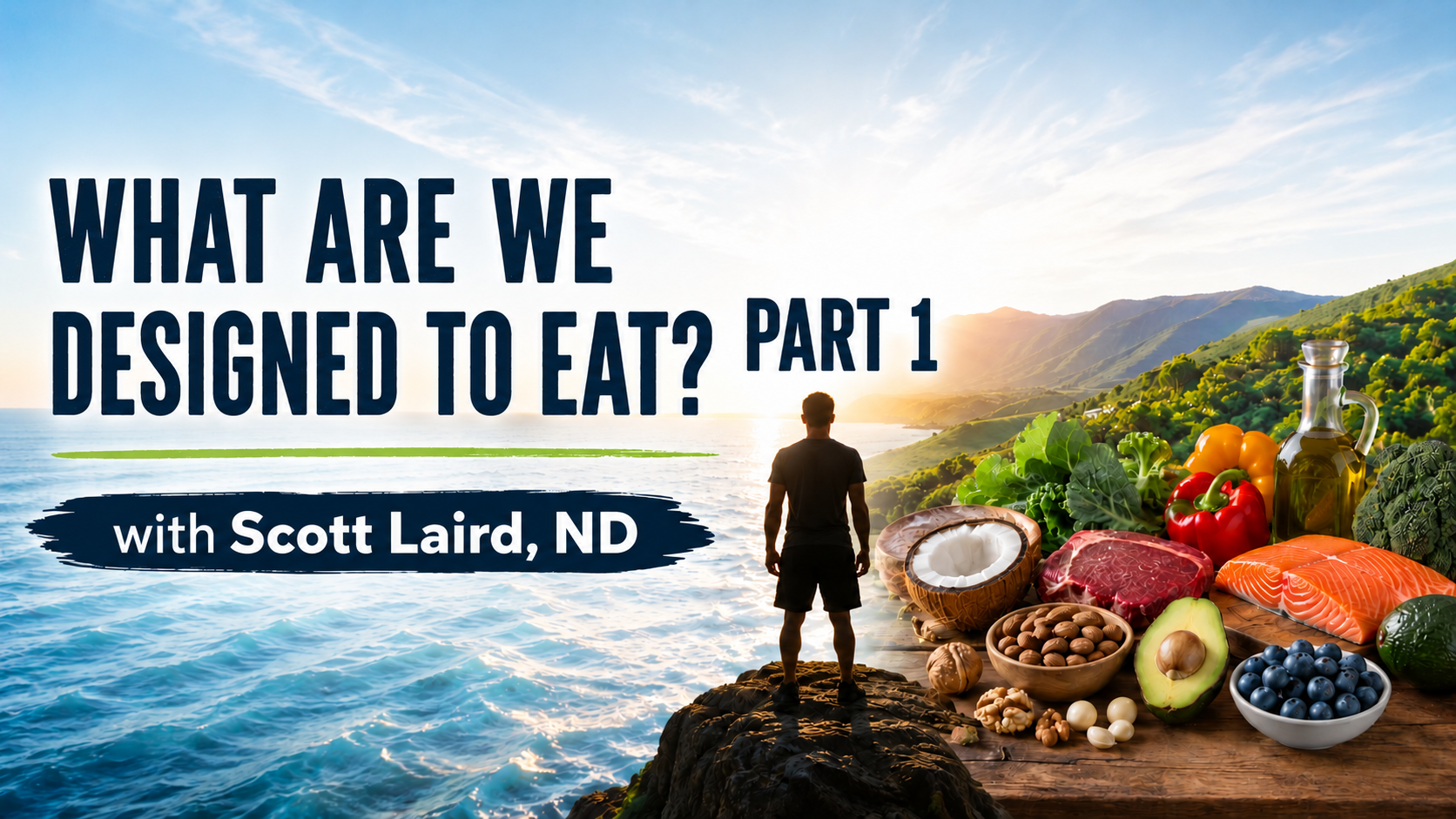
Part 1: Plant-Based or Meat-Based? Finding the Best Diet for Your Body
Is a plant-based diet the healthiest way to eat? Or should we be avoiding vegetables and focusing almost entirely on meat? With so many conflicting opinions about nutrition, it can be difficult to know what foods truly support good health.
The truth may be more complicated than either side wants to admit.
No Diet Is Perfect for Everyone
Some people thrive on a plant-based diet, while others experience better results eating more animal protein and fewer carbohydrates. In our own household experience, even extreme approaches like vegan (both my wife and I) and carnivore (my wife tried this) produced disappointing laboratory results. A ketogenic diet that includes both meat and vegetables proved to be a better fit.
The takeaway? Your ideal diet depends on your individual needs, nutrient requirements, food tolerances, and overall health.
But personal preference is only part of the equation. We also need to consider what our food contains and how it was produced.
The Hidden Risks in Plant-Based Foods
Plant foods provide valuable nutrients, but they also contain natural defense compounds, including lectins, oxalates, and phytates. Plant-heavy diets may also increase exposure to pesticide residues, herbicides such as glyphosate, nitrates, and mycotoxins.
That doesn't mean vegetables are inherently unhealthy. Cooking can reduce certain plant compounds, and choosing organic produce may help reduce exposure to some agricultural chemicals.
It's also important to recognize that popular produce guides don't necessarily evaluate every type of agricultural chemical. Understanding what a food contains requires looking beyond a simple healthy-or-unhealthy label.
Meat Quality Matters, Too
Animal foods have their own potential concerns. Depending on the animal's environment and diet, meat and other animal products can contain environmental pollutants, heavy metals, and other contaminants.
Fat can accumulate certain fat-soluble pollutants, while larger predatory fish may contain higher concentrations of mercury because of their position in the marine food chain.
For those who eat meat, it's important to select high-quality sources, such as grass-fed beef, pasture-raised poultry, and responsibly sourced wild-caught fish.
These choices may cost more, but food quality deserves consideration alongside macronutrients and calories — cheap food will catch up to you in the long run!
Look Beyond Diet Labels
Instead of asking whether plants or meat are universally better, ask whether your eating pattern supplies adequate nutrients, supports healthy metabolism, and works for your body.
No single diet guarantees optimal health. The goal is to make informed choices, prioritize minimally processed foods, and pay attention to how your body responds.
The best diet isn't necessarily the most extreme. It's the one that supports your nutritional needs and long-term well-being.
NEXT WEEK: How to maximize your metabolism






Replied on Calling all warriors and intercessors...
29 Oct 12:05
Thank you Sean!