Sorted by
Newest posts Popular Latest activity
September 21
• Edited (Sep 21, 2026)
Image from A Rood Awakening!'s post

Written by TPG Executive Producer/Ambassador - TLThomas 

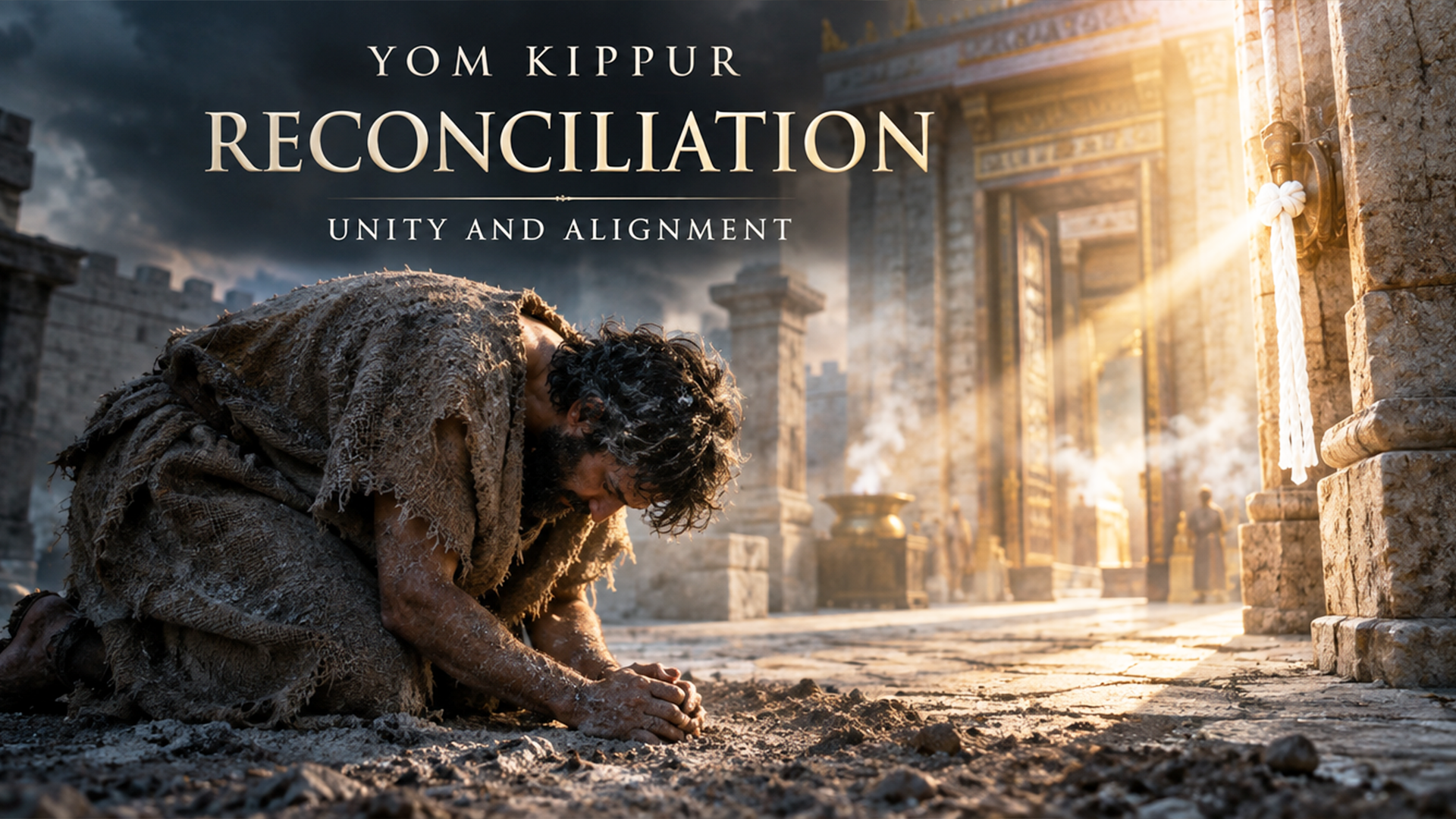
Reconciliation: Unity and Alignment

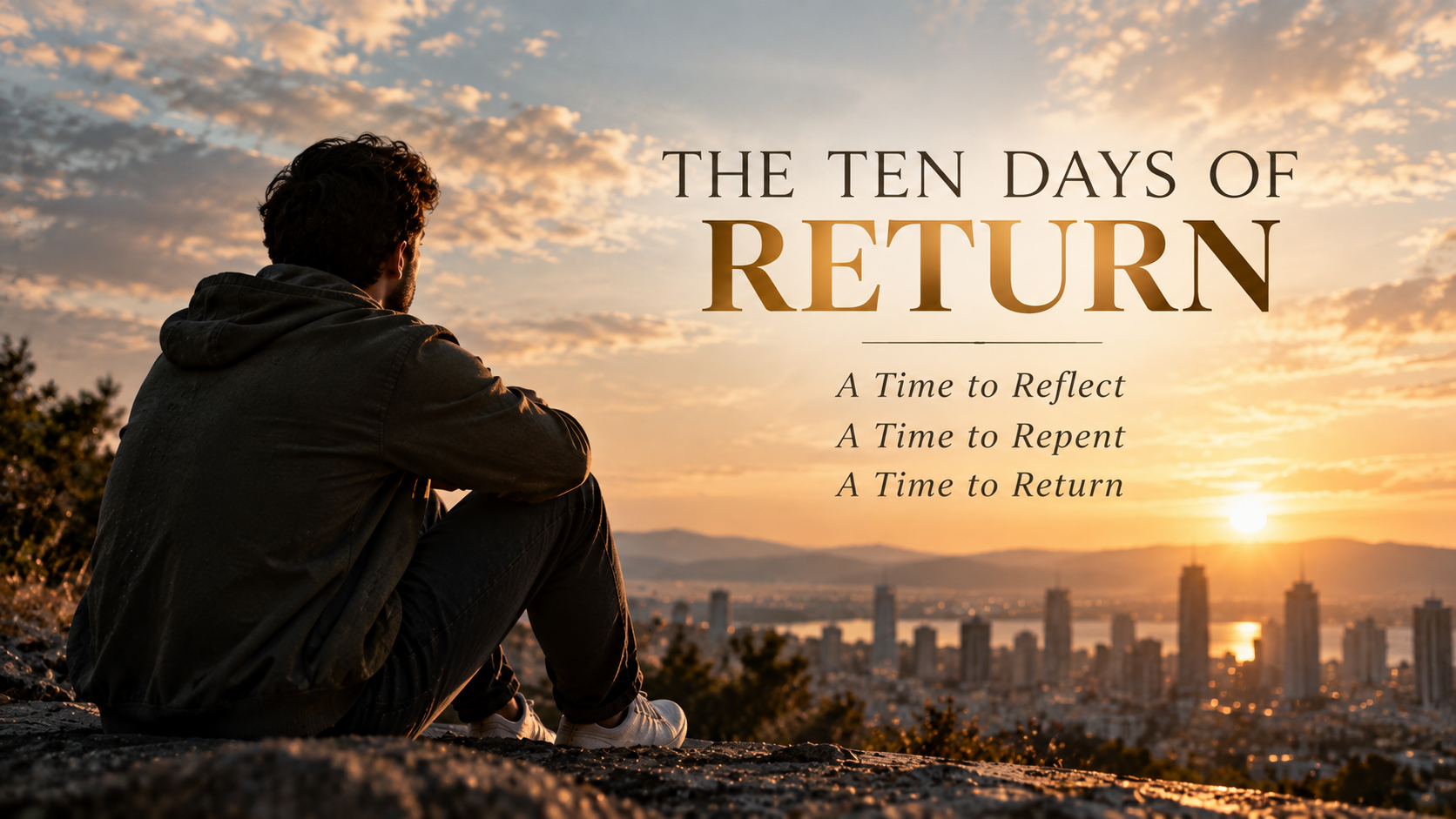
The Ten Days of Repentance

My daddy was an accountant. I learned about reconciliation at “my daddy’s knee.” Well, sitting beside him at the kitchen table, anyway.

What Is Reconciliation in Accounting?

A reconciliation involves matching two sets of records to see if there are any differences. Reconciliations are a useful step in ensuring that accounting records are accurate.

We went over writing checks, making debit entries, reviewing the bank statement, and reconciling my records—the check ledger—with the bank’s records—the bank’s ledger—the summer before college and whenever I went home for a visit.

Reconciliation meant making sure the two lists—mine and the bank’s—of actions and their corresponding dollar amounts were aligned with each other and unified to the same amount.

Sometimes reconciliation was easy; the check numbers and amounts agreed.

Sometimes reconciliation was hard:

  • I had written a check that I didn’t enter into my check ledger. Oops!

  • I had made a subtraction error. Few people had a pocket calculator, and nobody had a calculator app on a phone in their pocket!

  • Sometimes, the bank made an error!

Yes, don’t believe your bank is always correct. Reconcile your bank statement with your receipts—you know, those long strips of paper you usually toss or say “NO” to when asked if you want one? Yeah, those.

What Is Reconciliation in the Bible?

The entire Bible can be seen as YHVH seeking reconciliation with the ones He “created in His own image.”

Reconciliation in the Bible means the complete restoration of a broken relationship between God and humanity through the sacrificial work of Yeshua Messiah.

It’s not just forgiveness—it’s the total removal of hostility, the bridging of an infinite gap, and the transformation of enemies into beloved children.

In addition, reconciliation is the restoration of a relationship to a harmonious state after a dispute; it is the bringing of accord out of discord between two parties.

Christian reconciliation is the work of God through Messiah by which He restores mankind to a favorable relationship with Himself.

As we’ve seen, repentance is a process—a process that takes time.

It is also a process that requires change:

  • As a start, making an effort: Remembrance

  • Then, taking the time to consider: Reflection

  • At the least, a change of feeling: Regret

  • In general, a change of heart and action: Repentance

  • In specific, a remediation of the insult or injury: Restitution

  • At most, a transformation into Christlikeness: ReTurn to the Father

Reconciliation Between People

Reconciliation differs from simple forgiveness because it requires both parties to come together. A judge can forgive a debt, but reconciliation happens when the debtor and creditor sit at the same table as friends.

Nevertheless, as I said in Forgiveness: A Peek at My Prayer Journal:

REMEMBER:

  • Forgiveness DOES NOT mean “they were right and I was wrong.”

  • Forgiveness DOES NOT mean it was “okay for them to do that to me.”

  • Forgiveness DOES NOT mean “our relationship must be or is restored.”

The same principles apply when considering reconciliation:

  • Reconciliation is NOT acting as if nothing happened.

  • Reconciliation is NOT an automatic reinstatement of all rights and privileges.

  • Reconciliation does NOT demand that one party continue in harmful conditions.

  • A broken relationship does NOT have to be restored—EVER!

That does not mean we should harden our hearts, hold on to bitterness, or refuse to forgive. It means that forgiveness does not always require renewed access or a restored relationship. In some circumstances, maintaining firm boundaries or complete separation may be both wise and necessary.

As Lenny Williams explains:

Does this mean reconciliation always results in a restored relationship?

Not always—reconciliation requires two willing parties, and you can’t force someone to receive your extended hand.

But you can always control your side of the equation.

You can forgive, release bitterness, and keep the door open, trusting God with the outcome.

Forgiveness can take place within your own heart, even when reconciliation is not possible, wise, or safe.

More of the Story: The Prodigal Son

20 So he got up and came to his father. But while he was still a long way off, his father saw him and felt compassion for him, and ran and embraced him and kissed him.

21 And the son said to him, “Father, I have sinned against heaven and in your sight; I am no longer worthy to be called your son.”

22 But the father said to his slaves, “Quickly bring out the best robe and put it on him, and put a ring on his hand and sandals on his feet;

23 and bring the fattened calf, kill it, and let us eat and celebrate;

24 for this son of mine was dead and has come to life again; he was lost and has been found.” And they began to celebrate.

—Luke 15:11–32 NASB

Was the father interested in reconciliation with his younger son?

YES!

The father had been on the lookout for his son. Probably daily. Probably for months!

But when he recognized his son in the far distance, this dignified and wealthy man pulled up the skirts of his robes—and ran toward his lost son.

The father embraced his son. He kissed his son. He ignored his son’s confession. He was too busy telling his servants to prepare a celebration.

So, yes, relationships CAN be restored:

  • IF BOTH parties are willing.

  • IF NO ONE is coerced or forced.

  • IF, perhaps, trust is allowed time to grow.

The greater the offense and the greater the hurt, the more time, effort, and love of the other more than self are required.

Reconciled: The Bill That Was Due Has Been Paid

Interestingly, these two definitions of reconciliation do come together in the Bible regarding the death and resurrection of Yeshua:

13 And when you were dead in your wrongdoings and the uncircumcision of your flesh, He [Christ] made you alive together with Him, having forgiven us all our wrongdoings,

14 having canceled the certificate of debt consisting of decrees against us, which was hostile to us; and He has taken it out of the way, having nailed it to the cross.

—Colossians 2:13–14 NASB

The certificate of debt was canceled because a PRICE WAS PAID.

19 Or do you not know that your body is a temple of the Holy Spirit within you, whom you have from God, and that you are not your own?

20 For you have been bought for a price: therefore glorify God in your body.

—1 Corinthians 6:19–20 NASB

Yom Kippur: The Day of Atonement

The last of the Ten Days…

For the Jewish people, this is the highest of the High Holy Days.

More on that…next time.

Blessings,
TLThomas

1
September 20
• Edited (Sep 20, 2026)
Image from A Rood Awakening!'s post

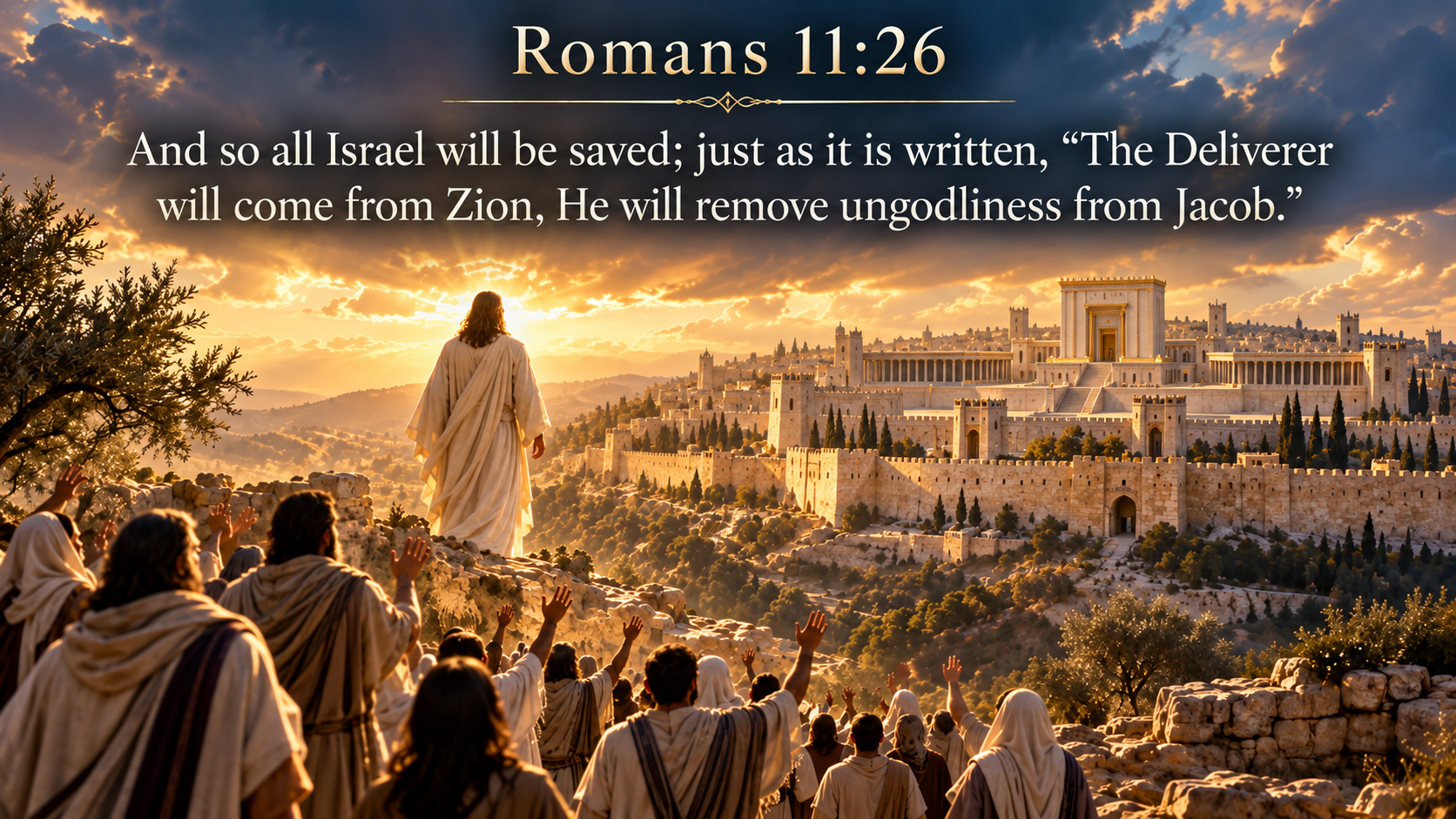
Verse of the Week: Romans 11:26

and so all Israel will be saved; just as it is written, “The Deliverer will come from Zion, He will remove ungodliness from Jacob.”

Yom Kippur, the Day of Atonement, is ultimately about much more than an annual fast. It is a prophetic shadow picture pointing toward one of the greatest events in all of redemptive history: the national repentance, cleansing, and restoration of Israel when Yeshua the Messiah returns.

Romans 11 tells us plainly that Yehovah has not rejected His people. Israel’s present condition is neither total nor permanent. There is a remnant now, but Paul looks forward to a future moment when the surviving remnant of Israel will recognize her Messiah, turn from transgression, and experience the fulfillment of the covenant promises of Yehovah.

This is why Romans 11:26 is so profoundly connected to Yom Kippur.

In Leviticus 16, the sins of Israel were confessed over the living goat, which then bore those iniquities away into the wilderness, outside the camp. The entire ceremony proclaimed a fundamental truth: sin must be dealt with if Yehovah is to dwell in the midst of His people. Atonement, cleansing, repentance, and the presence of Yehovah all belong together.

These prophetic shadow pictures ultimately direct our attention to Yeshua. He suffered outside the gate, bearing reproach and dealing decisively with sin. Yet the prophetic story does not end with His death, burial, and resurrection. Yom Kippur also points forward to the day when Israel will finally understand who Yeshua is.

Zechariah describes that moment with extraordinary clarity. Yehovah will pour out upon the house of David and the inhabitants of Jerusalem a spirit of grace and supplication. They will look upon the One whom they pierced and mourn. This is not merely individual repentance scattered throughout history. It is a national turning, a corporate recognition of the rejected Messiah.

Romans 11 speaks of the same mystery.

The Deliverer comes. Ungodliness is turned away from Jacob. Israel is saved.

This will take place in the context of the return of Yeshua and the great Day of Yehovah. The prophets repeatedly portray the Messiah coming in judgment against the enemies of His people while simultaneously bringing salvation to the surviving remnant of Israel. Isaiah sees the victorious figure coming from Edom and Bozrah, His garments stained from judgment, declaring that He is mighty to save. The Psalms picture the procession of Yehovah the King moving toward His sanctuary, accompanied by singers and musicians. The redeemed return to Zion with singing.

The return of Yeshua is therefore not merely His appearance in the sky followed instantly by the conclusion of the story. Scripture presents a deeply Israel-centered series of events. The King fights. He delivers captives. He gathers the remnant. He judges the nations that have gathered against Jerusalem. He advances toward Zion. Then the rightful Son of David enters Jerusalem and takes His place as King.

This is where Romans 11 leads us.

“All Israel will be saved” is a declaration concerning the covenant faithfulness of Yehovah. He has not forgotten Abraham, Isaac, or Jacob. He has not discarded the promises spoken through Moses and the Prophets. The gifts and calling of Yehovah are irrevocable. Israel’s rebellion does not nullify His faithfulness.

And this should deeply affect how Torah-observant followers of Yeshua approach Yom Kippur.

The appointed times of Yehovah are not empty religious traditions. They are prophetic shadow pictures embedded in the Torah. Yom Kippur calls us to humble ourselves, fast, repent, confess sin, and seek reconciliation with Yehovah. It reminds us that sin is serious, judgment is real, and cleansing is necessary. It also teaches us to look forward to the greater corporate repentance still awaiting Israel.

Our obedience to the Torah should flow from faith, repentance, covenant loyalty, and love for Yehovah. The Torah teaches us what holiness looks like, while Yeshua provides the atoning work that sinners could never accomplish for themselves. Genuine faith should never produce contempt for Yehovah’s commandments. It should produce a people who desire to walk in His ways.

One day Israel will understand this in a manner unprecedented in her history.

The surviving remnant will look upon Yeshua and mourn. The rejected Messiah will be recognized as Israel’s King. The Deliverer will turn ungodliness away from Jacob. The enemies of Yehovah will be judged. The captives will be liberated. The redeemed will ascend toward Zion with songs of joy. Jerusalem will receive her King. Yeshua will sit upon the throne of David, and Yehovah will dwell in the midst of His people.

Yom Kippur therefore contains both a warning and a magnificent promise.

The warning is that sin must be confronted through repentance.

The promise is that Yehovah has not abandoned Israel.

So, as we observe Yom Kippur, let us humble ourselves before Yehovah with fasting, repentance, confession, and sincere teshuvah. Let us examine our lives according to His Torah and turn away from everything that is contrary to His commandments. Let us remember the atoning work of Yeshua and pray earnestly for the day when the veil is removed from Israel, the surviving remnant recognizes her Messiah, and the words of Paul are fulfilled before the eyes of the nations: “And so all Israel will be saved.” May we long for the coming of Yeshua, the liberation of Jerusalem, the restoration of Israel, and the day when the King Messiah takes His rightful throne in Zion and Yehovah dwells among His people forevermore.

September 18
Image from A Rood Awakening!'s post

“For the mitzvah is a lamp, Torah is light, and reproofs of instruction are the way of life.” — Proverbs 6:23

September 18
Image from A Rood Awakening!'s post

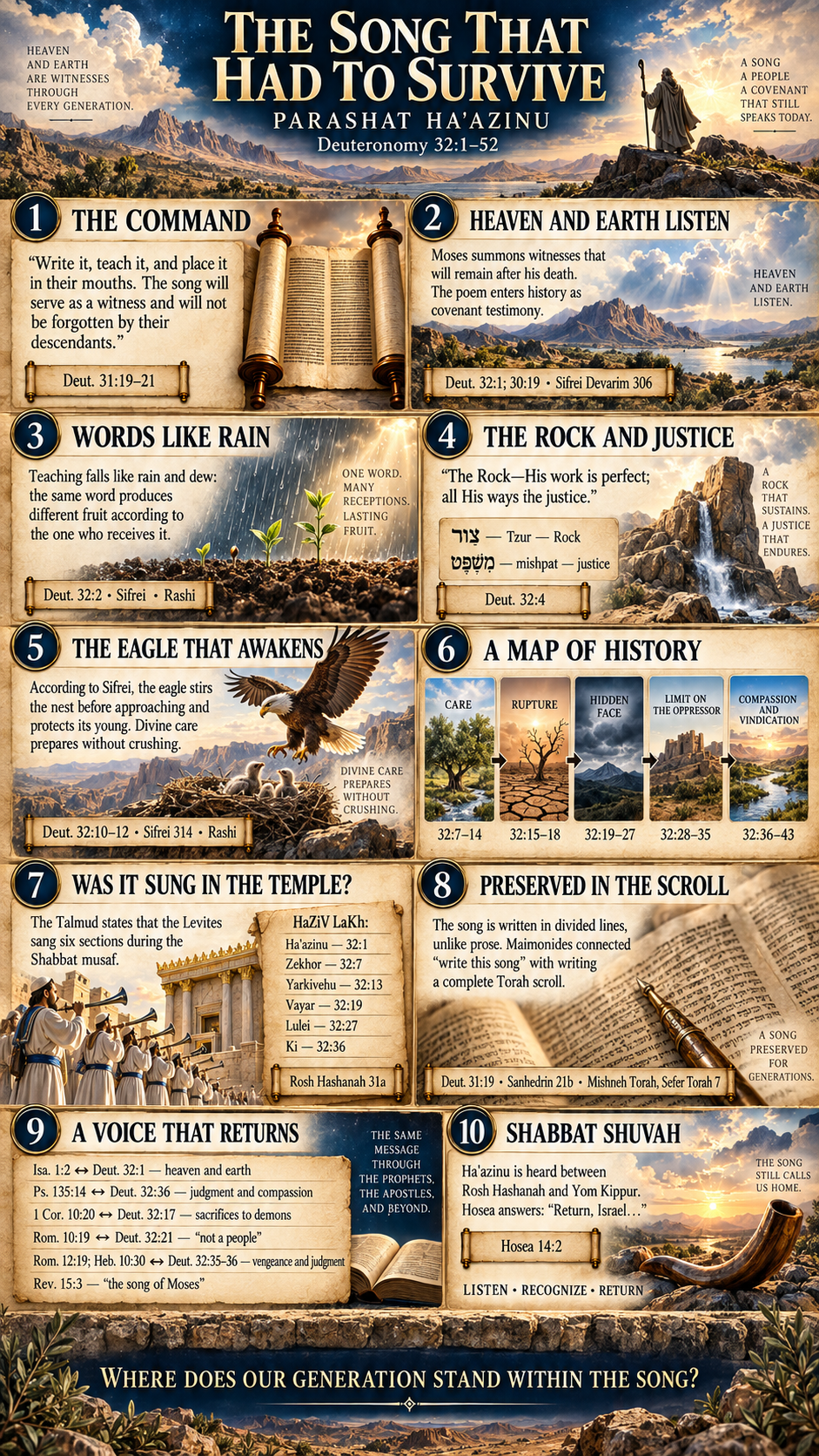
INFOGRAPHIC - DEUT. 32:1-52

Shalom, dear friends!

Explore our Ha’azinu infographic—a visual invitation to reflect on Moses’ canticle, remember Yehovah’s faithfulness, and take His words to heart.

May it enrich your study and inspire meaningful conversations with those you love.

Shabbat Shalom!

September 18
Image from A Rood Awakening!'s post

Good Preparation Day and Shabbat Shalom, Mishpocha! May the Moedim of YHVH bring strength, wisdom, favor, and clarity in this season. Sending love and peace from the Ambassador Club family. Love to you all, Angie.

5
September 17
• Edited (Sep 20, 2026)
Image from A Rood Awakening!'s post

Regret: The Push Toward Repentance

Posted on 2026-09-17 by TLThomas

The Ten Days of Repentance

How much of your life, your actions, do you truly Regret?

Regret has many facets:

  • Regret that you DID something

  • Regret that you DIDN’T DO something

  • Regret that you GOT CAUGHT doing something

  • Regret that you haven’t made a “Bucket List” or had all the adventures you’ve dreamed of

  • Regret that you’re not where you thought you’d be in your personal relationships – family, friends

  • Regret that you’re not where you thought you’d be in your personal achievements – education, self-development, attractiveness

  • Regret that you’re not where you thought you’d be in your career success – money, power, status, influence

  • Regret that you’re such a sinner that no one, not even God will, or even can, forgive you

Regret: The Push toward Repentance

The primary Regrets I have are the times (yes, many times) I have disappointed YHVH (and myself, upon realization) by my thoughts, words, actions (of both commission AND omission).

As it is said, …  the spirit is willing, but the flesh is weak.

Matthew 26:41 NASB  Mark 14:38 NASB

Taking Regret to the Father

I think the Regret we’re to have whenever we come before the Father needs to be a special Regret. Yes, we regret our actions/ inactions, words:  said and unsaid, that have negatively affected our human-to-human connections, our personal relationships with each other.

We can, and do, regret these things deeply, with remorse and sorrow.

Nevertheless, Regret about our relationship with the Father affects our life and our afterlife.

The things, done or undone, which are against the Father’s Will and Purpose for our life, have consequences, with a long and permanent effect.

 As such, our Regret needs to be even deeper than with our fellow humans.

Our regret needs to be even more sorrowful and sorrow-filled by the brokenness of our relationship with the Father.

But NO “Worm Theology”

However, I’m NOT talking about what I call “Worm Theology.”  According to “Worm Theology” there is no lasting forgiveness, no reconciled relationship with the Father.

It’s “once a worm, always a worm.”

It’s “once a sinner, always a sinner.”

Now I’m not saying that this is being taught with words; but I do believe this concept is taught through body language and non-verbal means.

It’s when people receive the message:

“You are a ‘worm.’” 

“You are of no worth or value.”

 “You are a wretched sinner, depraved beyond measure.”

 “You are an abject and dissolute sinner, never to be raised from the mire of human depravity and iniquity.”

And more.

Those who come to believe these lies continue to live in the identity of “sinner”

– even after confession, profession, redemption, salvation, forgiveness.

– even after they have received citizenship in the “now but not yet” Kingdom.

I once had quite a “discussion” at a Bible study when I replied, “No,” to the question about whether I was a sinner or not. He threw 1 John 1:8-10 at me.

8 If we say that we have no sin, we are deceiving ourselves and the truth is not in us.

9 If we confess our sins, He is faithful and righteous, so that He will forgive us our sins and cleanse us from all unrighteousness.

10 If we say that we have not sinned, we make Him a liar and His word is not in us.                                                          1 John 1:8-10 NASB

I replied, to the effect: “I am saved (indeed, being saved). Therefore, I’m not a sinner.”

He continued to argue: because I said I wasn’t a sinner, according to 1 John 1:8-10, that meant I was a liar. I don’t think he ever understood that I was NOT saying, “I never sin.”

I was saying, “I’m not a sinner. That’s no longer my identity. Instead, I’m a saint who, at times, sins.” And, as such, I need to Regret my sin and take the path back to right relationship with Father YHVH.

That path continues with …

Repentance.

More… next time.

Blessings,

TLThomas

Feel free to like and comment!

1
September 16
Image from A Rood Awakening!'s post

Encouraging Word of the Week ✨
Sound The Trumpet in Zion, Zion!
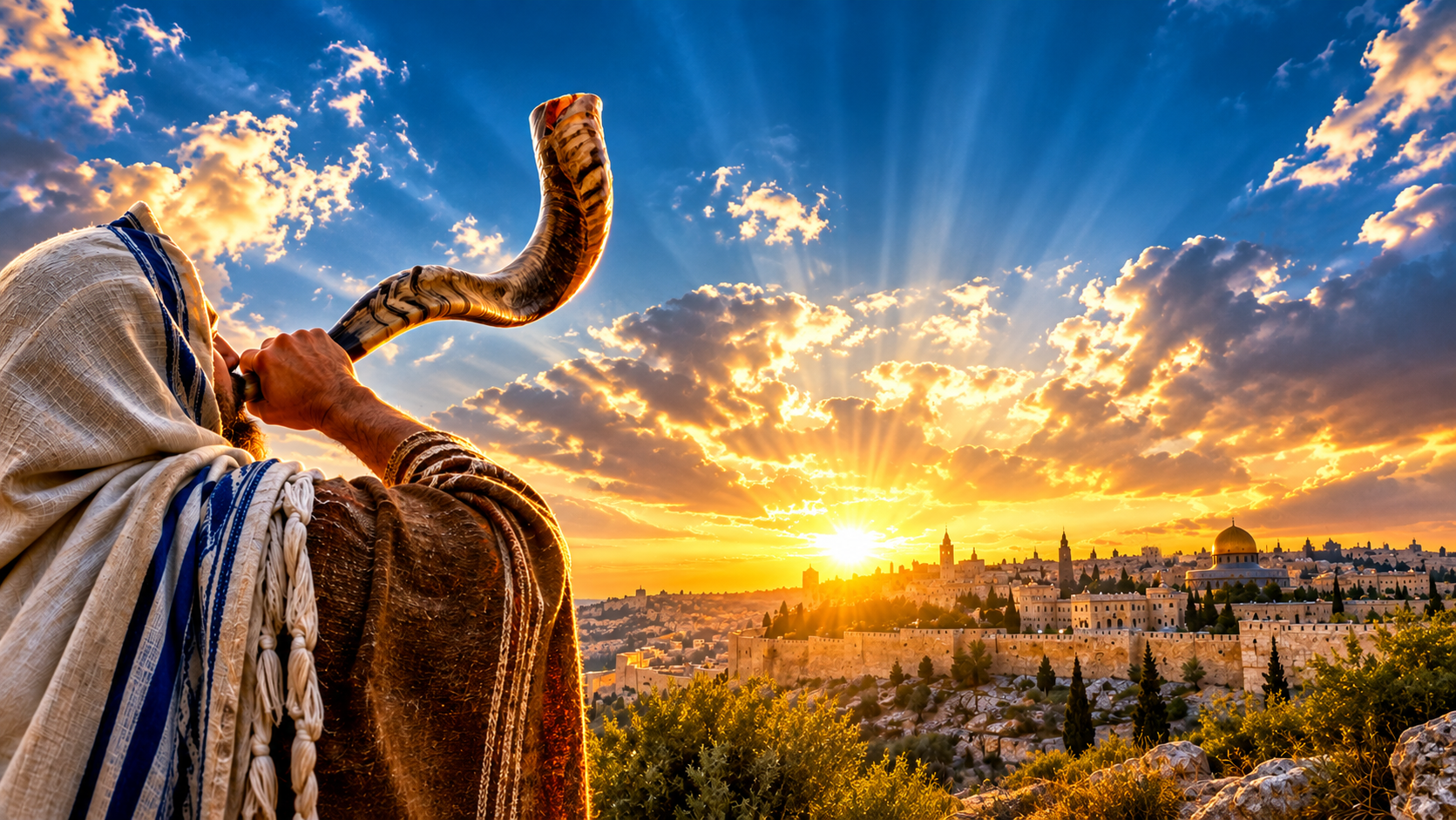
Hebrew: "sho-far' "
Joel 2:1
 
Blow a trumpet in Zion,
And sound an alarm on My holy mountain!
Let all the inhabitants of the land tremble,
For the day of the Lord is coming;
Surely it is near

September 15
Image from A Rood Awakening!'s post
1 / 2
Image from A Rood Awakening!'s post
2 / 2

Recording a new series with Aaron Coury and Scott Laird today! They will be addressing how pornography affects many Torah-observant people and how one can get free!!! Details to come.

1
September 14
Image from A Rood Awakening!'s post

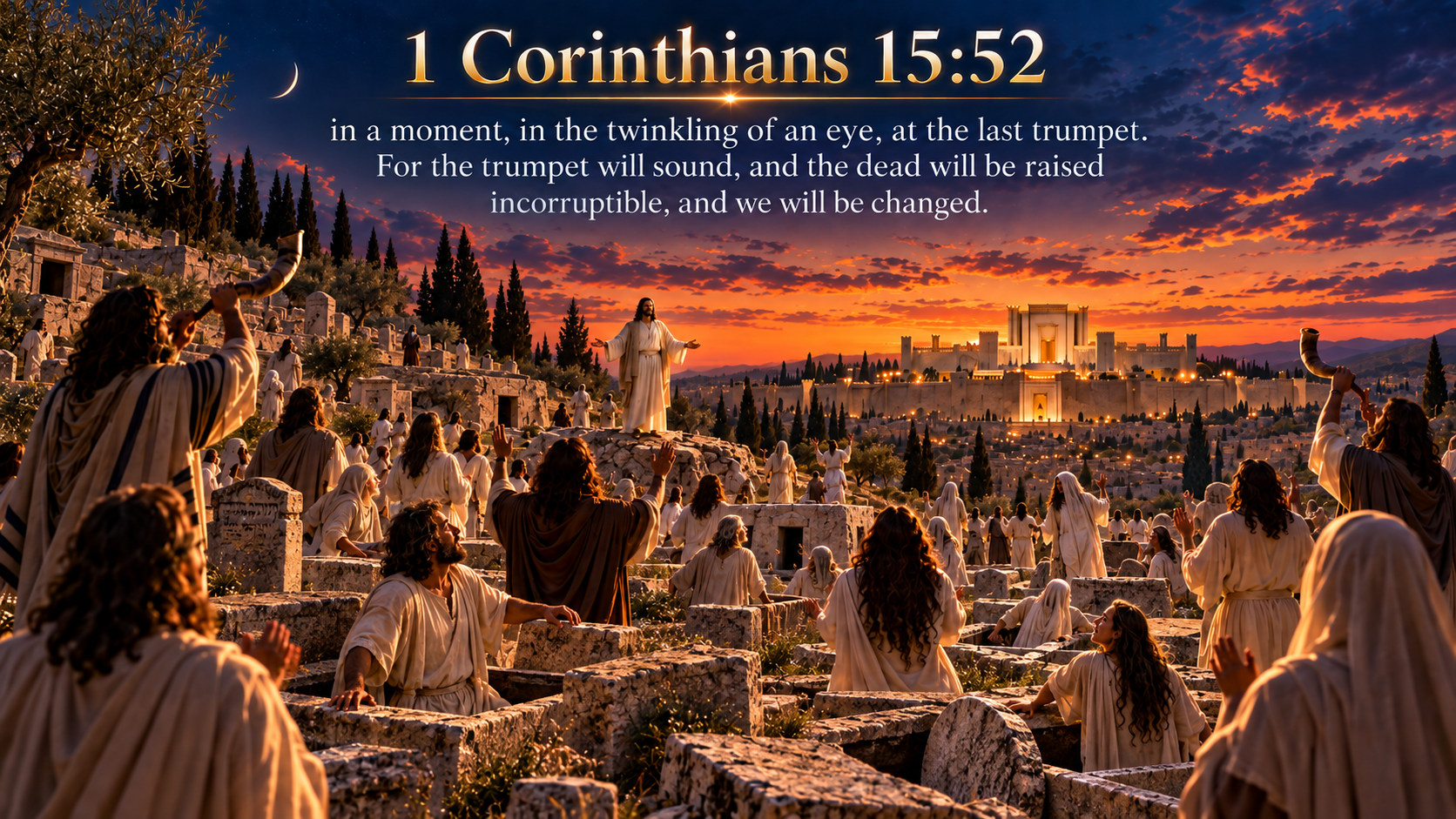
Verse of the Week: 1 Corinthians 15:52

“in a moment, in the twinkling of an eye, at the last trumpet. For the trumpet will sound, and the dead will be raised incorruptible, and we will be changed.”

This verse points us toward one of the great climactic moments of the biblical story: “at the last trumpet” the dead will be raised incorruptible, and those who belong to Messiah will be changed. Paul is not introducing a disconnected New Testament idea. He is drawing upon the prophetic hope already established in the Torah and the Prophets.

The language of the trumpet should immediately turn our attention toward Yom Teruah, the Day of Trumpets appointed by Yehovah in Leviticus 23. Yom Teruah is a commanded memorial of trumpet blasts, a holy convocation that calls Yehovah’s people to attention. Within the larger prophetic framework of Scripture, the sounding of the trumpet becomes closely associated with the gathering of His people, the coming of King Yeshua, and the Day of Yehovah.

This is why Paul’s words carry such prophetic weight. The resurrection does not occur in isolation. It belongs to the events surrounding the return of Yeshua. The prophets repeatedly describe a future Day when Yehovah, through Yeshua, will confront the rebellious nations, vindicate His people, judge wickedness, and establish His righteous rule over the earth. The sounding of the trumpet announces that the age of human rebellion is reaching its appointed end and that King Yeshua is coming.

Zephaniah describes the Day of Yehovah as “a day of the trumpet and alarm.” Joel speaks of the trumpet being blown in Zion because the Day of Yehovah is coming. Isaiah connects the great trumpet with the gathering of Yehovah’s scattered people. Yeshua Himself speaks of His coming in glory and the gathering of His elect with a great sound of a trumpet. Paul then tells us that at the last trumpet the dead will rise.

These passages belong together.

Yom Teruah therefore serves as more than an annual observance. It is a prophetic rehearsal. Each year Yehovah calls His people to remember that history is moving toward an appointed Day. The trumpet reminds us that Yeshua will return as the conquering King, that the nations will answer to Him, that the righteous dead will rise, and that Yehovah will establish His Kingdom upon the earth.

For followers of Yeshua, this should produce both hope and sobriety. The Day of Yehovah is glorious for those who belong to Him, but Scripture also describes it as a day of judgment upon rebellion and wickedness. Biblical hope is therefore never an excuse for complacency. The coming resurrection should compel us toward faithfulness, repentance, holiness, and obedience.

The Torah teaches Yehovah’s people how to walk in His ways, and Yeshua perfectly demonstrated what faithful obedience looks like. Those who truly belong to the coming King should desire to walk according to the ways of His Kingdom now. We keep His appointed times, honor His commandments, pursue righteousness, and remain faithful because we know who our King is and because we know He is returning.

The last trumpet is therefore not merely an interesting detail in Paul’s teaching. It is part of a much larger biblical expectation. Yom Teruah points forward. The prophets warn of the Day of Yehovah. Yeshua promises to return. Paul declares that the dead will be raised. All of these themes converge in the hope of the coming Kingdom.

Death will not have the final word. The kingdoms of this age will not have the final word. The rebellion of the nations will not have the final word. Yehovah has appointed His King, and Yeshua will reign.

So, this week, remember what the trumpet represents. Yom Teruah calls us to awaken, prepare, and look toward the coming Day of Yehovah. Let the promise of the resurrection strengthen you to walk faithfully in Yehovah’s Torah, remain steadfast in Yeshua, and live as a citizen of the Kingdom that is coming. The trumpet will sound. The dead will rise. The King will return. May we be found watching, obeying, enduring, and ready.

September 11
Image from A Rood Awakening!'s post

For I, Yehovah your God, hold your right hand; it is I who say to you, ‘Fear not.’ -- Isaiah 41:13