This video will remind you —you were never rejected, only invited.

16:56
Found, Chosen, and Grafted ...
This episode dives into the deeply personal, often overlooked...

This video will remind you —you were never rejected, only invited.
Found, Chosen, and Grafted ...
Posted
Posted
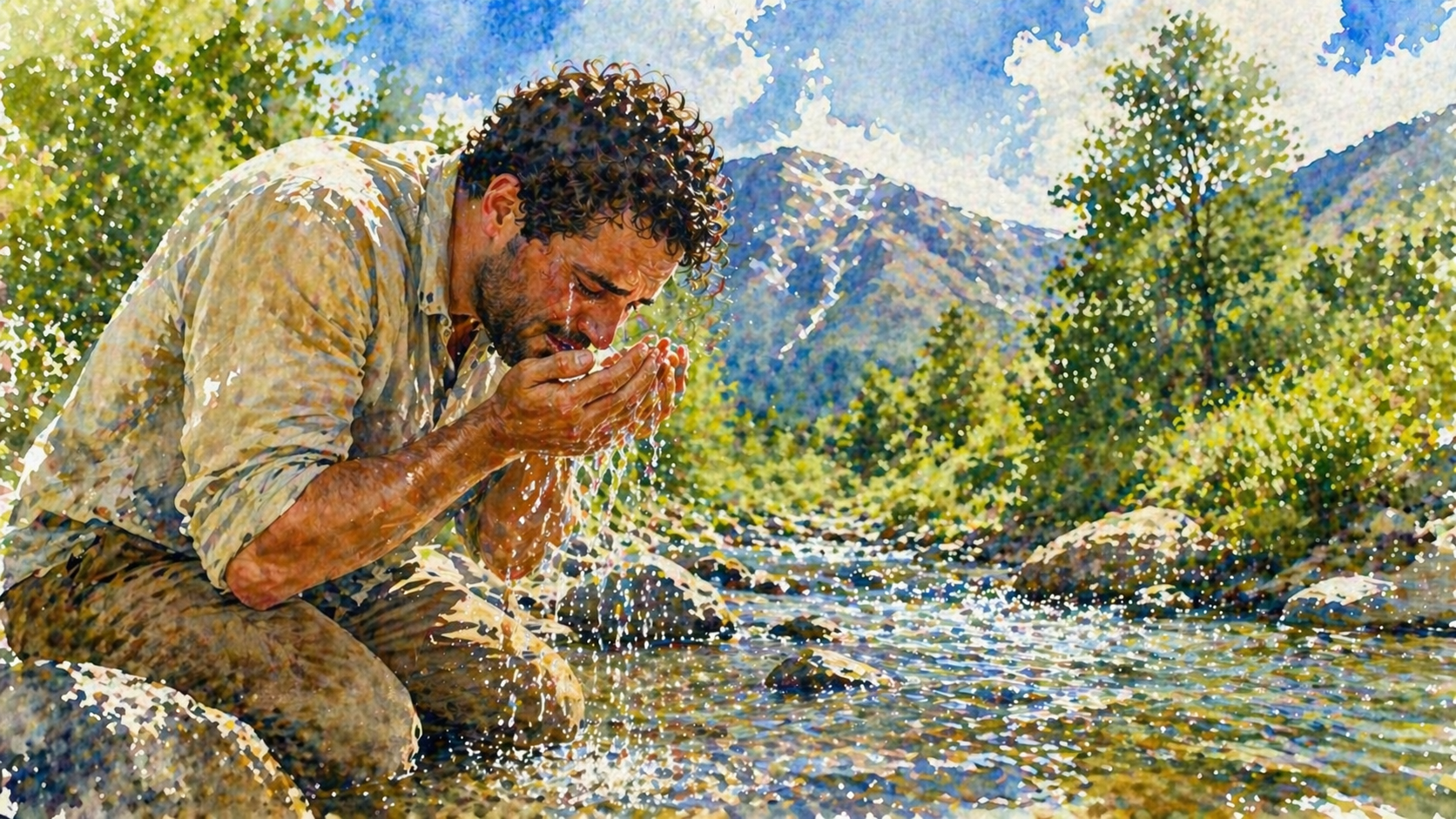
CLEANSE TO BE SET APART
Leviticus 16:1 - 20:27
Parashot Acharei Mot - Kedoshim
Precise instructions are established for sacred service after the death of Aaron’s sons, emphasizing that one cannot enter Yehovah’s presence just any way. The high priest had to follow a strict order on the Day of Atonement, including the use of two goats: one sacrificed and the other sent into the wilderness, symbolically carrying the people’s sin.
Then the focus shifts to daily life: pagan practices are forbidden, relationships are regulated, and justice, honesty, and love for one’s neighbor are required. Holiness is no longer just ritual—it becomes a way of life. The call is clear: the people must reflect the character of Yehovah in everything.
Explore the complete content here 👇
https://aroodawakening.tv/community/parashah-leviticus/parasah-acharei-mot-kedoshim/
Posted

EXALE INJUSTICE, INHALE FORGIVENESS
When Yehovah created us, we were endowed with a conscience. This serves as a judge, originally equipped to point us toward what is right or wrong according to the eternal Torah, which reflects the righteous character of the Creator and by which He governs all His Creation.
However, as we grow and begin to walk through this world, that conscience is influenced, educated, altered, and even contaminated. We can reach a point where we totally lose our sense of justice—as seen in many who do not hesitate to harm others to achieve their personal goals. It is then that we say of them: “They have no conscience!”
But when we have a real and transforming encounter with Yeshua, something supernatural happens: that conscience is restored and renewed to align once again with the Torah of Yehovah. A new beginning emerges, a new life, just as Shaúl (Paul) describes:
Therefore, if anyone is a new creation in the Messiah, the old things have passed away; behold, all things have become new.
2 Corinthians 5:17
At that moment, the potential to continue acting uprightly and justly is reactivated. Nevertheless, we often slip back into old ways, primarily due to the force of habit. We run the risk of returning to old paths, ignoring or disregarding our conscience, which is now alerted by the Spirit of Yehovahdwelling within us.
How to Face These Struggles?
In those moments, we must seize the resource provided by our Father to be restored in our walk: Confession.
I am not speaking of going before another man to give an account of what we have done. I am speaking of conversing with God, with Yehovah, to come into agreement with Him regarding what He defines as injustice. It is about accepting that He is right and acknowledging that what we have done is evil or incorrect. Then, by faith, we appropriate the forgiveness already granted to us through Yeshua the Messiah and move forward, perfecting our walk.
As the Psalmist wrote:
I acknowledged my sin to You, and my iniquity I did not hide; I said, ‘I will confess my transgressions to Yehovah,’ and You forgave the guilt of my sin.
Psalm 32:5
Reconciling with Others
You might ask: “What if I have acted unjustly toward someone else?” There will always be situations where we must go to the person we have wronged to acknowledge our error. This is also confession; in other words, it is coming into agreement with that person that I did them wrong. In this case, I must ask for forgiveness for such behavior. We should not demand it—saying “Forgive me for that…” as an order—but rather give them the option to make the decision to grant that forgiveness.
The Appointed Time of Restoration
Yehovah provides us with a special day during the Fall Feasts: Yom Kippurim, the Day of Atonement, or the day of release from the guilt we have carried throughout the year (or life). The tenth day of the seventh month of the Calendar of Yehovah is set apart for us to perform a self-audit. On this day, we are commanded to humble ourselves before Yehovah (which, in biblical language, signifies fasting). This day is considered a Shabbat in which no work is to be done; instead, we must withdraw into silence and stillness to settle our accounts with our Father.
To do this effectively, we need to prepare during the preceding days, engaging in introspection with our Father’s help to bring to mind those intentions, attitudes, and behaviors that need correction or repair. The first step to achieving this is Confession, as we have considered it.
A Daily Rhythm
In truth, we should not wait until the arrival of Yom Kippurimeach year to mend our relationships with our Father and others. This is something we need to do day by day, just as we do with our physical bodies through breathing: we exhale toxins and inhale fresh, pure air. In the same way, let us exhale our injustices through confession and inhale the forgiveness and righteousness that comes from Yehovah through Yeshua, our Lord and Messiah.
“If we confess (recognize) our sins, then, since He is trustworthy and righteous, He will forgive our sins and purify us from all unrighteousness.” — 1 Yochanan (John) 1:9
Posted
Replied on BONUS | Bible Beyond Borders - Episode 6
Replied on Call Them Higher: How to Challenge False Doctrine | April Love Gift 2026
30 Apr 10:52
Happy we could get that sorted for you. Appreciate you letting us know.